


Hair Loss Treatments Lake Havasu: Why Your Hair May Be Thinning
- Desert Oasis Wellness & Medspa

- May 28
- 5 min read
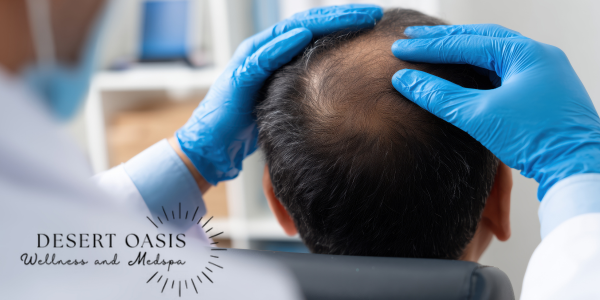
Hair thinning concerns affect millions of people, and we understand how finding effective hair loss treatments can feel overwhelming. You might notice more strands in your shower drain or visible thinning at your crown. Understanding what causes it is the first step toward restoration. Lake Havasu City's intense sun exposure, heat and dry climate can contribute to hair stress. Local awareness matters here. Modern solutions offer real-life results when matched to your specific needs, and this includes non-surgical hair loss treatments. We created this piece to help you understand common causes of hair loss and treatments that work. You'll learn what to expect from different approaches and how our desert environment affects hair health.

Common Causes of Hair Loss in Men and Women
Multiple factors contribute to hair thinning and loss in both men and women. Androgenetic alopecia, the hereditary pattern baldness affecting approximately 80% of men by age 80, represents the most common cause. This genetic condition results from sensitivity to dihydrotestosterone (DHT), which shrinks hair follicles over time.
Hormonal fluctuations trigger hair loss during pregnancy, postpartum periods and menopause. Thyroid disorders, whether hyperthyroidism or hypothyroidism, disrupt the natural hair growth cycle. Women with polycystic ovary syndrome (PCOS) experience thinning often due to elevated androgen levels.
Stress plays a major role through cortisol production, which prevents dermal papilla cells from secreting Gas6, a molecule needed to activate hair follicle stem cells. This stress hormone keeps follicles in an extended resting phase rather than allowing normal regeneration.
Medications cause temporary hair loss in many cases. Chemotherapy drugs, blood pressure medications, antidepressants, birth control pills and cholesterol-lowering drugs all list hair loss as a possible side effect. Telogen effluvium affects up to 70% more hair than the normal 100-150 daily strands and appears 2-4 months after starting medication.
Nutritional deficiencies, especially iron (the world's most common nutritional deficiency) and vitamin D, affect hair follicle function. Autoimmune conditions like alopecia areata, affecting nearly 7 million people in the United States, cause the immune system to attack healthy hair follicles.

Hair Loss Treatments Lake HAvasu: What Actually Works
Proven hair loss treatments fall into several categories, each backed by medical research. Minoxidil stands as the only FDA-approved over-the-counter solution for both men and women, available in liquid or foam formulations applied to the scalp. The medication increases blood flow to hair follicles and works for about two-thirds of users. Those under 40 experience the best results. You'll need at least six months of consistent use before seeing improvement.
Finasteride represents another FDA-approved option, prescribed as a daily pill for men that blocks DHT production. This treatment slows hair loss in almost 90% of men, with about two-thirds experiencing regrowth. Three JAK inhibitor drugs (baricitinib, ritlecitinib, and deuruxolitinib) show high effectiveness in severe alopecia areata cases.
Platelet-rich plasma therapy has gained attention as a non-surgical option. The procedure involves drawing your blood, concentrating the platelets, then injecting them into thinning areas. Treatments follow a pattern of three monthly sessions, with maintenance every six months. Studies show patients experience improvements in hair density, though 30-50% see measurable benefits.
Now is the perfect time to explore your options if you're noticing thinning hair, excessive shedding, or changes in your hairline. The team at Desert Oasis Wellness & Medspa offers customized hair restoration solutions designed to help you look and feel your best. Schedule a consultation today to learn which treatment may be right for you and take the first step toward healthier, fuller-looking hair.
Hair Care and Prevention in Lake Havasu's Climate
Lake Havasu's desert environment presents unique challenges for hair health that go beyond genetic factors. Low humidity levels, often dropping below 20%, pull moisture from hair strands and scalp tissue faster. Temperatures exceeding 110°F during summer months act like a constant blow dryer and cause dehydration that results in brittleness and breakage.
Your hair needs external moisture barriers to start protection. Sulfate-free shampoos prevent stripping natural oils that your scalp needs in dry conditions. Deep conditioning treatments applied weekly replenish lost hydration. Apply leave-in conditioners to damp hair and create a protective seal against moisture loss.
Sun protection proves vital for prevention. UV radiation damages keratin protein structure and weakens hair shafts while fading color. Wide-brimmed hats during peak sunshine hours shield both hair and scalp from harmful rays. UV-protectant hair sprays offer alternative protection for those who prefer not to wear hats.
Internal hydration supports external care efforts. Adequate water intake maintains scalp moisture balance, as hair strands contain 25% water. A diet rich in omega-3 fatty acids from salmon and walnuts nourishes follicles while reducing inflammation.
We understand how Lake Havasu's climate affects your hair at Desert Oasis Wellness & Medspa. Contact us to develop a customized prevention plan.
Conclusion
Whether your hair thinning stems from genetics or Lake Havasu's harsh climate, hair loss treatments that work are within reach. Combining proven medical solutions with climate-smart care strategies delivers the best results. If you're noticing thinning hair, excessive shedding, or changes in your hairline, explore your options with Desert Oasis Wellness & Medspa's customized hair restoration solutions designed to help you look and feel your best.
Key Takeaways
Understanding the causes and treatments for hair loss empowers you to make informed decisions about your hair health, especially in challenging desert climates.
• Genetics and hormones drive most hair loss - Androgenetic alopecia affects 80% of men by age 80, while hormonal changes from pregnancy, menopause, and thyroid disorders trigger thinning in women.
• FDA-approved treatments show proven results - Minoxidil works for two-thirds of users under 40, while finasteride slows hair loss in 90% of men when used consistently for at least six months.
• Desert climates accelerate hair damage - Lake Havasu's low humidity (below 20%) and extreme heat (110°F+) strip moisture from hair, requiring sulfate-free shampoos and UV protection.
• Early intervention maximizes treatment success - Addressing hair loss at first signs of thinning, excessive shedding, or hairline changes leads to better outcomes than waiting for advanced stages.
The combination of medical treatments with climate-appropriate hair care creates the most effective approach to maintaining healthy hair in challenging environments like Lake Havasu's desert climate.
FAQs
Q1. What are the most common reasons for hair thinning and loss?
The primary causes include androgenetic alopecia (hereditary pattern baldness), which affects approximately 80% of men by age 80, hormonal imbalances from conditions like thyroid disorders or PCOS, nutritional deficiencies (especially iron, vitamin D, and zinc), stress-induced cortisol production, certain medications, and autoimmune conditions like alopecia areata.
Q2. Can thyroid problems lead to hair loss?
Yes, thyroid disorders significantly impact hair health. Both hyperthyroidism (overactive thyroid) and hypothyroidism (underactive thyroid) disrupt the natural hair growth cycle, leading to thinning and shedding. Hormonal imbalances from thyroid conditions are among the common medical causes of hair loss in both men and women.
Q3. Which hair loss treatments are FDA-approved and scientifically proven?
The FDA has approved minoxidil (available over-the-counter for both men and women) and finasteride (prescription pill for men). Minoxidil works for approximately two-thirds of users, especially those under 40, while finasteride slows hair loss in nearly 90% of men. Both require consistent use for at least six months to see results.
Q4. How does living in a desert climate like Lake Havasu affect hair health?
Desert environments with low humidity (below 20%) and extreme heat (110°F+) rapidly strip moisture from hair strands and scalp tissue. This constant dehydration causes brittleness, breakage, and increased hair stress. UV radiation also damages keratin protein structure, weakening hair shafts and requiring protective measures like sulfate-free shampoos and UV protection.
Q5. How long does it take to see results from hair loss treatments?
Most effective treatments require patience and consistency. Minoxidil typically needs at least six months of regular use before visible improvement occurs. PRP therapy follows a pattern of three monthly sessions with maintenance every six months. Early intervention when first noticing thinning or excessive shedding leads to better outcomes than waiting for advanced stages.


Comments