
Melasma & Hyperpigmentation Treatment in Lake Havasu City
Fade Dark Patches, Even Your Tone
- Common In:
- Women 20 to 55
- Primary Causes:
- Sun, heat, hormones, genetics
- Treatment Time:
- 20 to 45 minutes
- Results:
- 4 to 12 weeks, then maintenance

What Is Melasma & Hyperpigmentation?
Recognizing the Signs
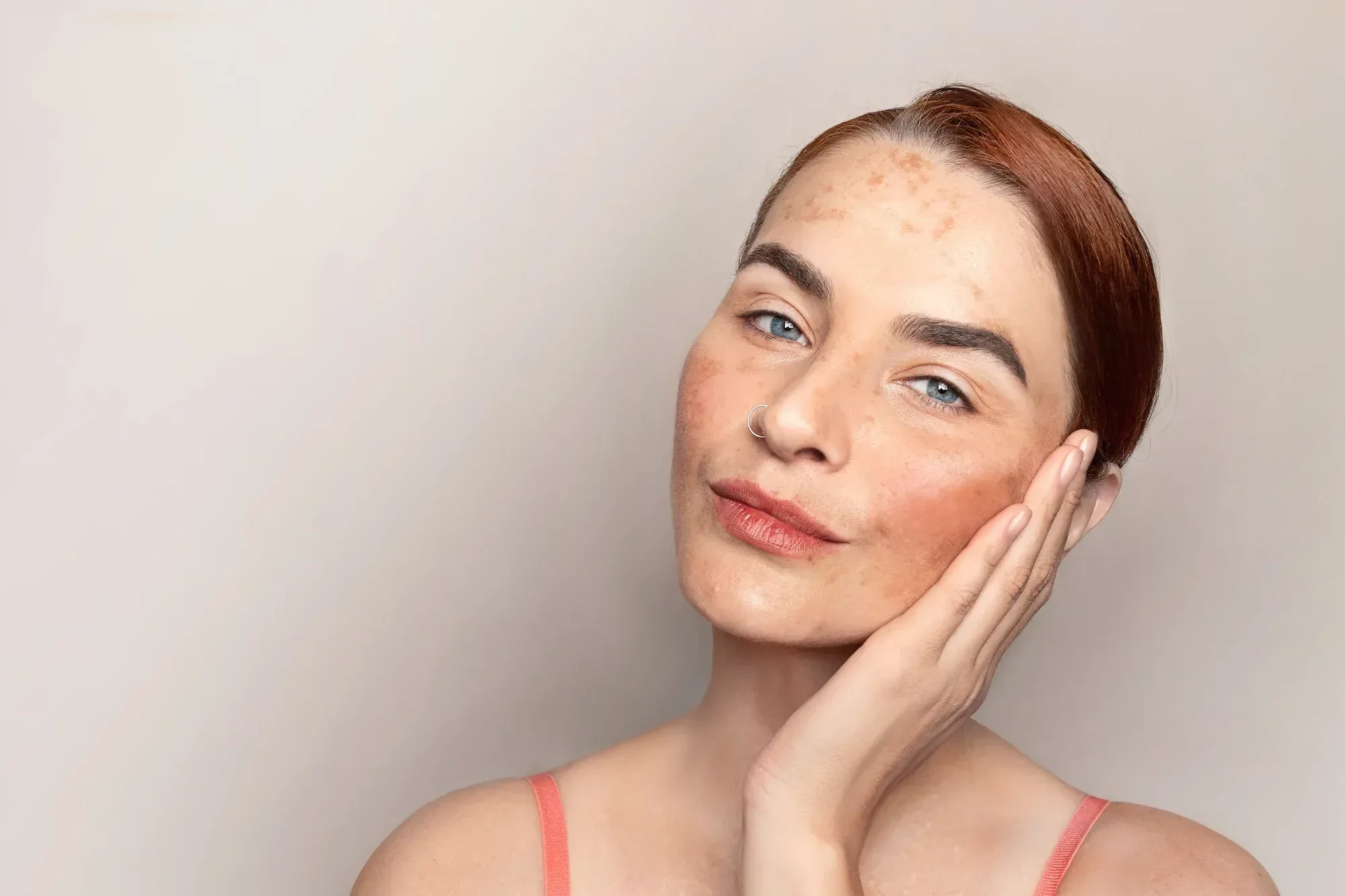
Melasma is an acquired pigment condition that produces symmetrical brown or gray-brown patches, most often across the cheeks, forehead, upper lip and jawline. Hyperpigmentation is the broader term for any area where the skin makes more melanin than the skin around it, including sun spots and the marks left behind by acne or irritation.
We see both every week at Desert Oasis Wellness and Med Spa in Lake Havasu City, AZ, serving Havasu Foothills Estates, Desert Hills, the Riviera, Crystal Beach, Parker, Bullhead City, Kingman and the surrounding Mohave County communities.
When you look in the mirror and see a shadow across your cheekbones that foundation no longer covers, you are seeing pigment sitting in the upper layers of the skin and sometimes deeper in the dermis. The patches usually appear on both sides of the face in a mirrored pattern, which is what separates melasma from a single isolated sun spot.
Patients tell us the hardest part is not the color itself but the unpredictability. The patches soften over winter, then return within days of a sunny weekend on the water. Melasma is a chronic, relapsing condition, and understanding that from the start changes how we treat it.
Why Melasma and Dark Patches Develop
Understanding the Root Causes
01The Science
Melanocytes, the pigment-producing cells at the base of the epidermis, normally release melanin in small and even amounts. In melasma these cells become overactive and hypersensitive, so a single trigger produces far more pigment than it should, and the surrounding skin cells hold on to it. The American Academy of Dermatology identifies sun exposure, hormones and genetics as the three consistent drivers.
Ultraviolet light is only part of the story. Visible light, particularly the high-energy blue end of the spectrum, and infrared heat also stimulate melanocytes, which is why melasma behaves differently in the desert than it does in a mild climate. Standing over a hot grill, sitting in a parked car, or a July afternoon on Lake Havasu can each darken patches even when your skin never burned.
Hormones raise the baseline. Pregnancy, oral contraceptives and hormone therapy all increase melanocyte sensitivity, which is why melasma is far more common in women and why it often appears for the first time during or after pregnancy.
Because pigment sits at different depths in different patients, we confirm where your pigment lives before recommending anything, and gentle resurfacing with chemical peels in Lake Havasu City is often where a plan begins.
02Deeper Understanding
Melasma Versus Sun Spots
Why the Difference Changes Treatment
Sun spots, also called solar lentigines, are discrete flat brown marks with a defined border, and they sit in the epidermis where light-based treatment can lift them quickly. Melasma is diffuse, symmetrical and frequently mixed, with pigment in both the epidermis and the deeper dermis plus increased blood vessel activity feeding the melanocytes. Treating the two conditions the same way is the most common mistake we are asked to correct.
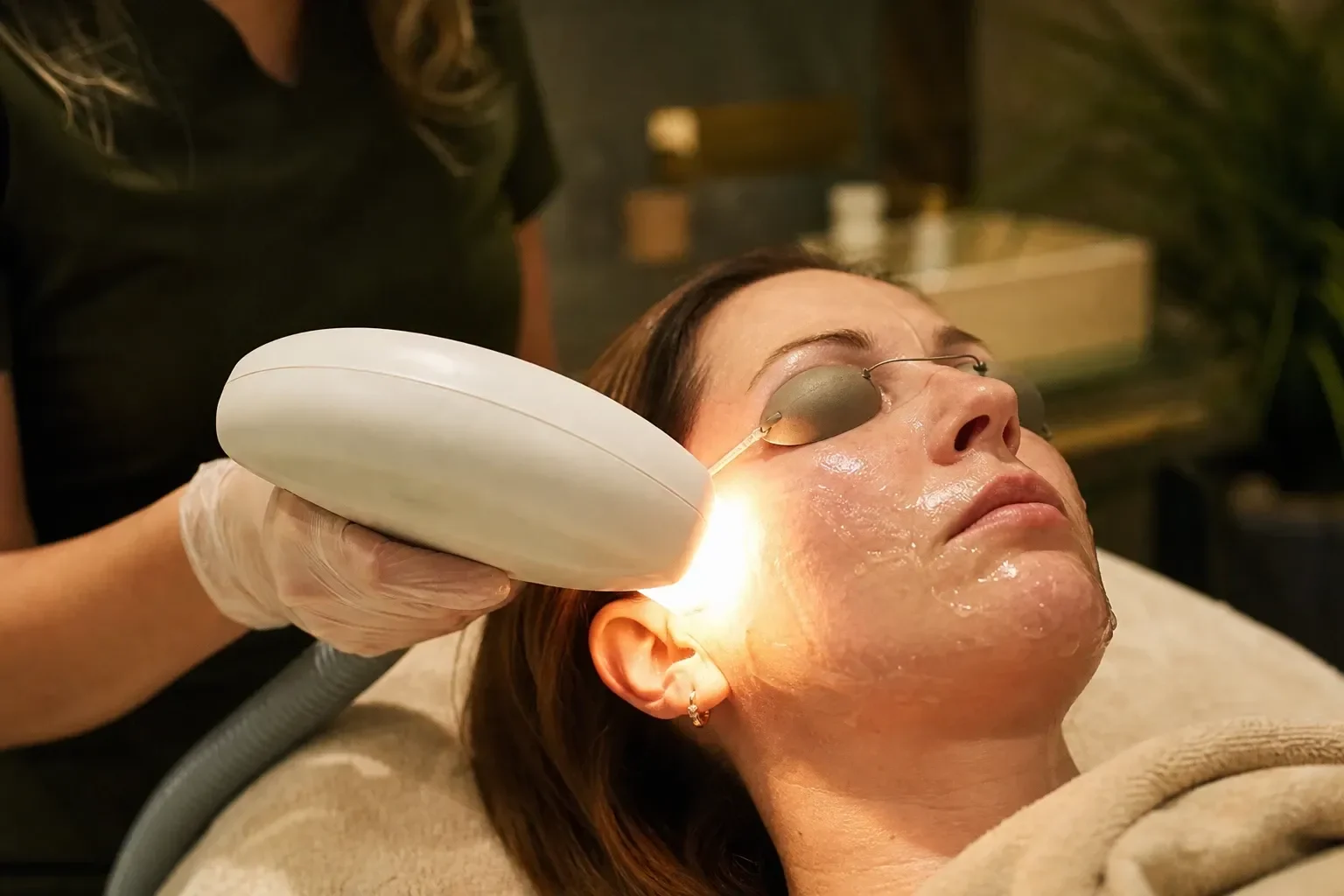
That distinction matters because heat is a trigger. An IPL photofacial in Lake Havasu City is excellent for true sun damage and scattered brown spots, but it is not appropriate for every melasma patient or every skin type. In pigment-prone skin, aggressive light and heat can make patches rebound darker than they started.
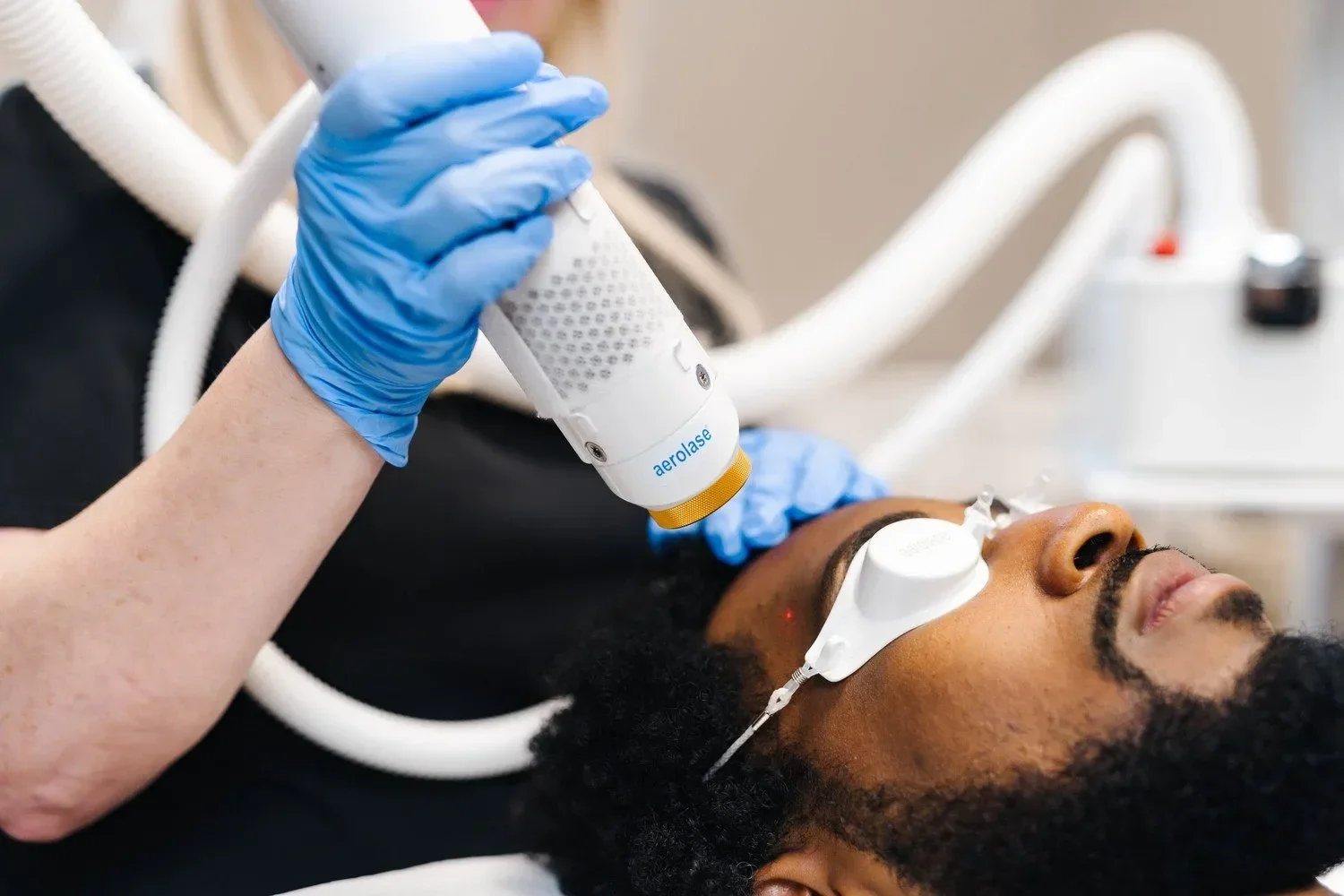
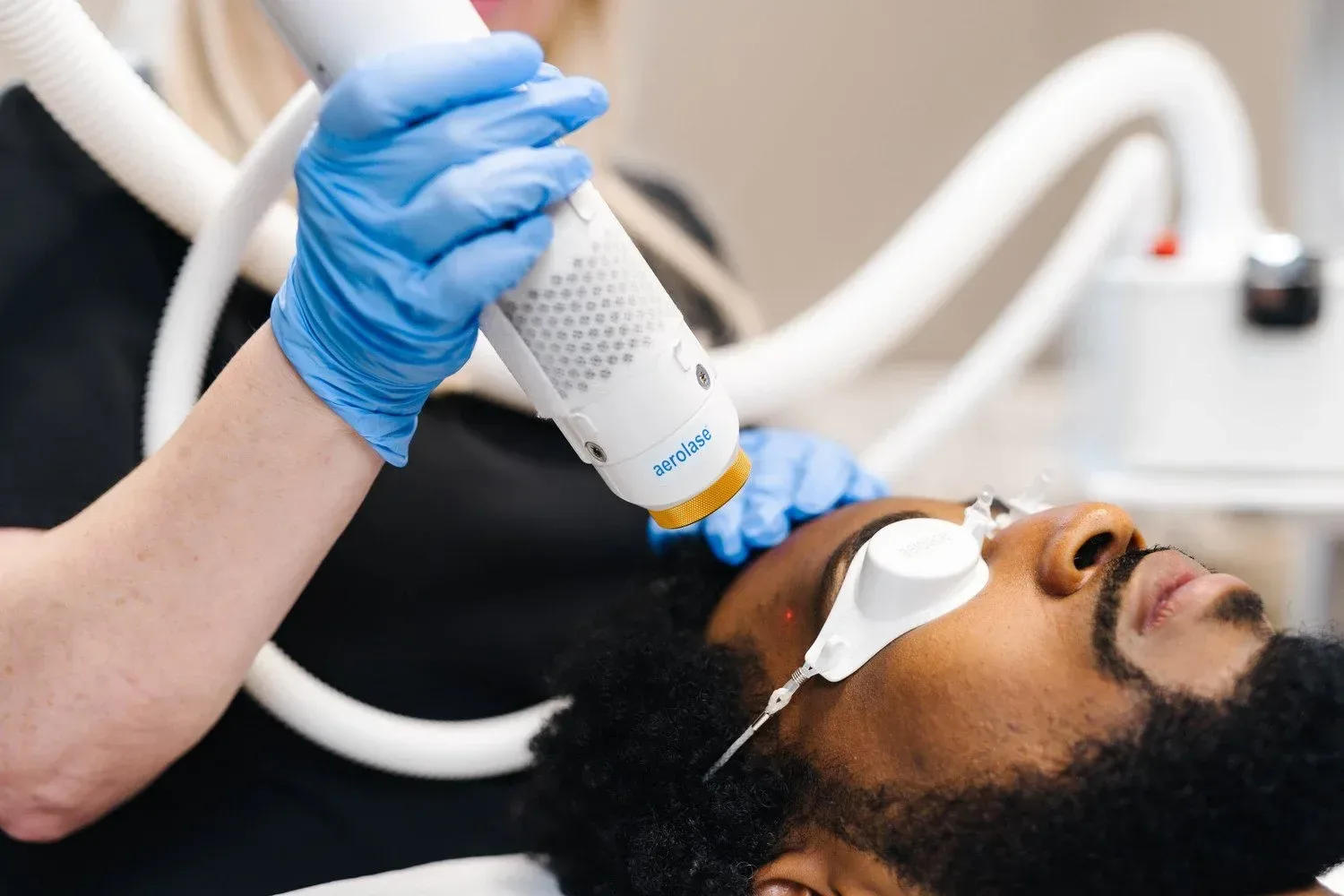
For those patients we turn to Aerolase laser treatment for pigmentation, a 1064 nm Nd:YAG platform whose very short pulses deliver energy with far less thermal buildup and can be used across all Fitzpatrick skin types.
Left alone, melasma rarely clears on its own, and each unprotected summer tends to deepen and widen the patches already there. The realistic goal is control rather than cure: fade what is present, then hold that result with daily sun protection and periodic maintenance sessions.
What Makes Melasma and Hyperpigmentation Worse?
Several triggers stack on top of each other in a desert climate, and most patients are living with three or four of them at once without realizing it.
- 01Year-Round UV ExposureLake Havasu City sees sun almost every day of the year, so pigment cells never get an off season to quiet down.
- 02Heat and InfraredHot cars, cooking, saunas and 110 degree afternoons on the lake can darken patches even when your skin never burns.
- 03Hormonal ShiftsPregnancy, oral contraceptives and hormone therapy raise melanocyte sensitivity, which is why patches often start in your thirties.
- 04Visible and Blue LightDaylight through a window reaches your skin indoors, and clear sunscreens filter UV without blocking that visible light.
- 05Genetics and Skin TypeA family history of melasma and Fitzpatrick skin types III to VI both raise your baseline risk considerably.
- 06Skin IrritationScrubs, harsh actives, waxing and inflammation from acne can each leave post-inflammatory pigment layered on top.
Why Choose Desert Oasis Wellness and Med Spa for Melasma Care
Pigment is unforgiving of guesswork, so we start by identifying what kind of discoloration you actually have and how deep it sits. Our certified laser technician, and our licensed aesthetician, build a plan around your skin type and the desert climate you live in rather than a single fixed protocol.
- Accurate Pigment Assessment
- We separate melasma from sun spots and post-inflammatory marks before recommending a single treatment.
- Skin Type Safe Technology
- Our laser and light platforms let us choose gentler settings for pigment-prone and deeper skin tones.
- Climate-Specific Planning
- Plans account for Mohave County sun and heat, including how to protect your results through summer.
- Layered, Patient Approach
- We sequence peels, laser sessions and home care gradually instead of pushing an aggressive one-time fix.
Treatment Options Comparison
Compare the pigment treatments we offer for melasma and hyperpigmentation to see which approach suits your skin.
| Treatment | How It Works | Best For | Downtime | Results Timeline |
|---|---|---|---|---|
| Chemical Peels | Controlled exfoliation lifts pigmented cells | Surface melasma and uneven tone | 3 to 7 days of light flaking | 2 to 4 weeks per series |
| IPL Photofacial | Broadband light absorbed by surface pigment | Sun spots and sun damage, not all skin types | Minimal, spots darken briefly | 1 to 2 weeks per session |
| Aerolase | 1064 nm energy with minimal heat buildup | Melasma and pigment-prone or deeper skin tones | None | 4 to 12 weeks across a series |
You May Be Experiencing Melasma If...
These are the patterns patients describe most often, and recognizing them early makes the discoloration far easier to manage.
Mirrored Patches
Brown or gray-brown patches sit on both cheeks in a nearly symmetrical pattern rather than as one isolated spot.
Seasonal Swings
The discoloration softens through winter and returns within days of a sunny weekend out on the water.
Coverage Struggles
You have moved to heavier foundation or color correctors to hide areas that concealer no longer covers.
A Shadow Above Your Lip
A faint band across the upper lip that people mistake for shadow in photographs and video calls.
Blurred Borders
The edges of the discoloration fade gradually into normal skin instead of having a crisp outline.
It Began With Pregnancy
The patches first appeared during pregnancy or after starting a hormonal medication and never fully cleared.

Explore More Related Treatments
Chemical Peels
Medical-grade VI Peel formulas that resurface skin with very little downtime.
- Safe for All Tones
- No Pre-Peel Prep
- Nearly Painless
Explore More Related Treatments
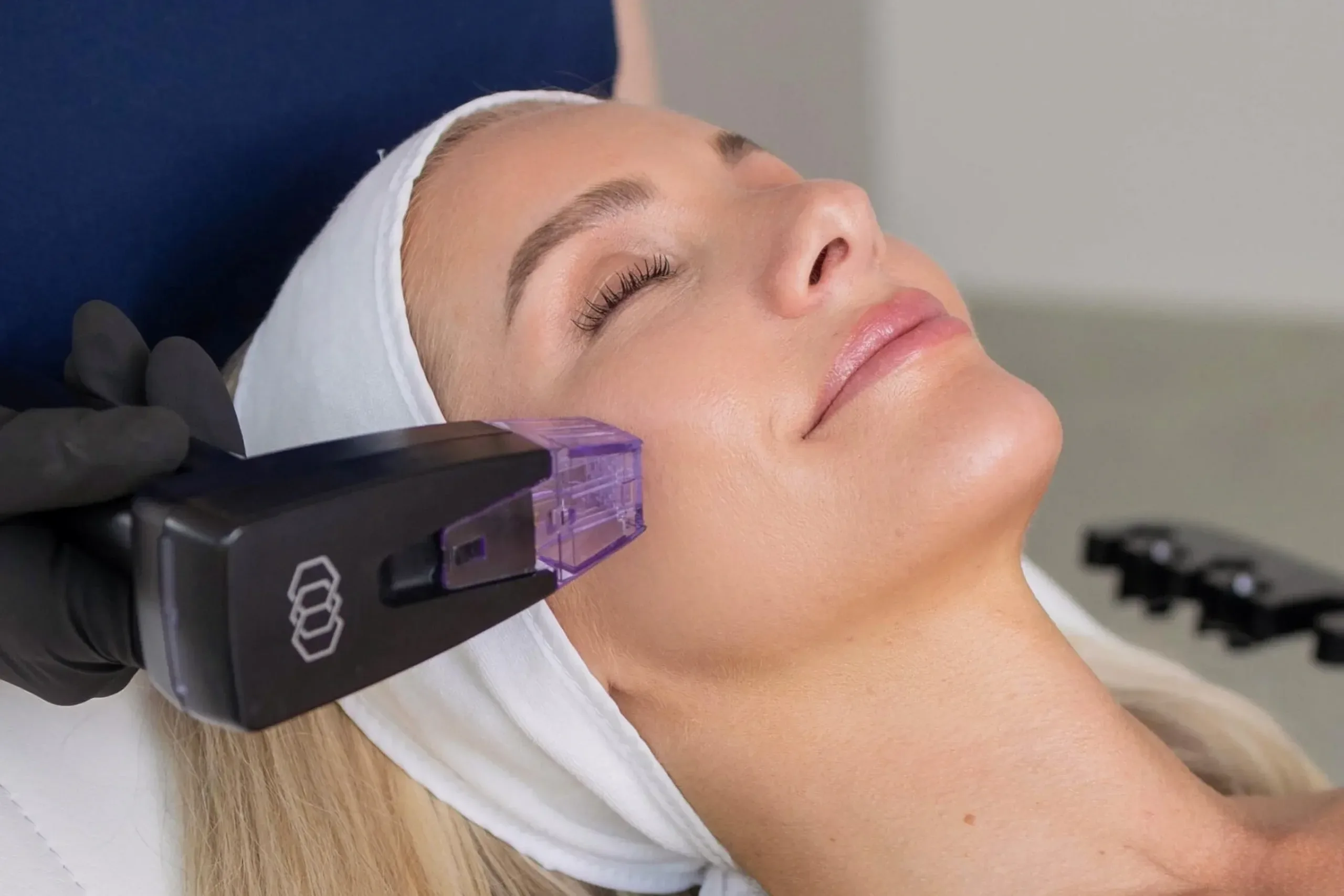
RF Microneedling with Morpheus8
Fractional radiofrequency microneedling that tightens and remodels skin.
- All Skin Types
- Adjustable Depth
- Face, Neck, Body
Explore More Related Treatments
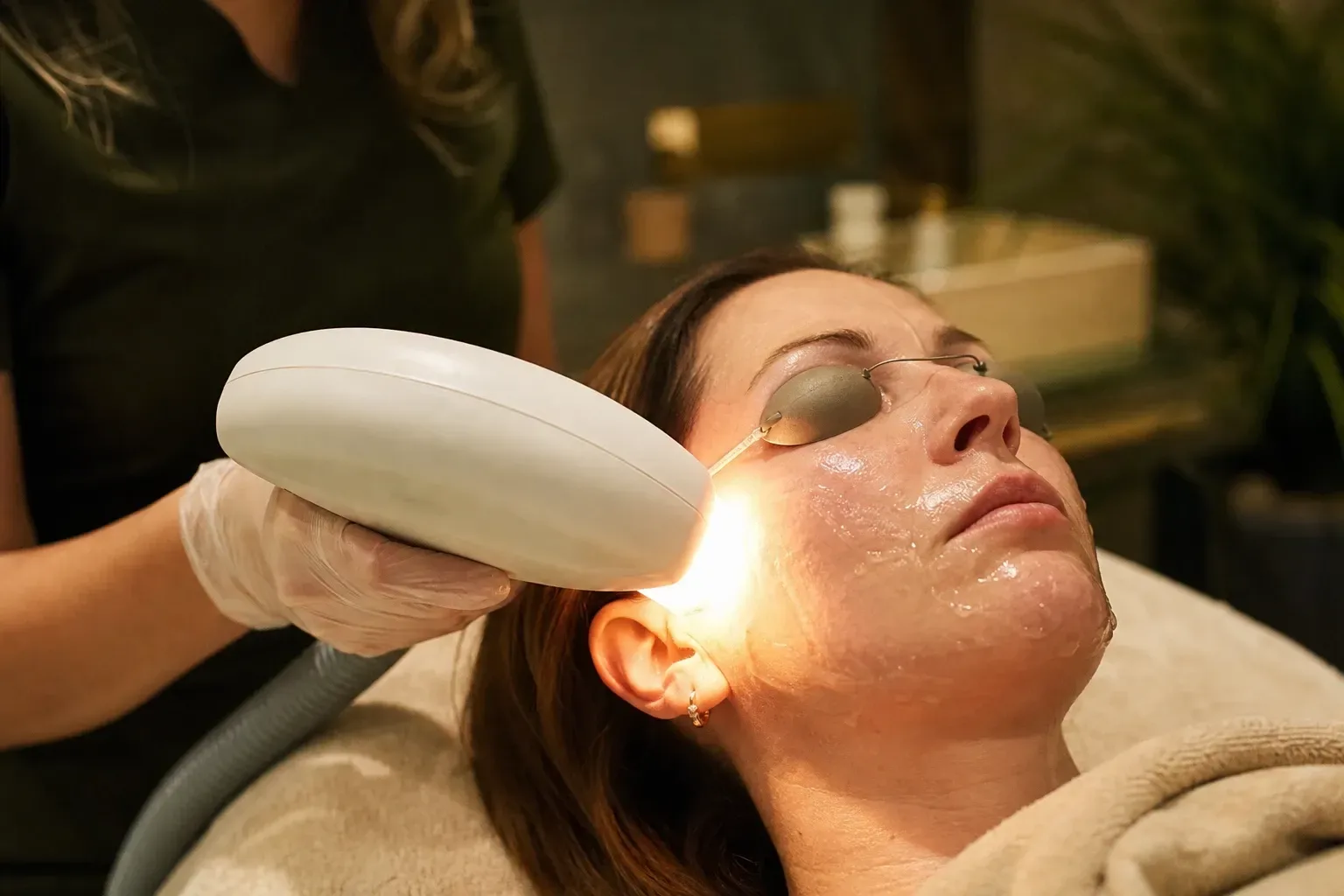
IPL Photofacial
Broad-spectrum light that fades sun damage, age spots and facial redness.
- Fast Clearing
- No Real Downtime
- Brown and Red
Explore More Related Treatments
Aerolase (Neo and Era Elite)
Gentle 650 microsecond laser energy that clears, calms and renews skin.
- All Skin Tones
- Neo Elite (1064nm) - Non-Ablative
- Era Elite (2940nm) - Ablative Resurfacing
Your Questions
Frequently Asked Questions
What actually causes melasma?
Can melasma be cured?
Is IPL a good treatment for melasma?
How long before I see my pigment fade?
Does sunscreen really matter that much in Lake Havasu City?
Will my melasma come back after treatment?
Is hyperpigmentation the same thing as melasma?
When should I see a provider about dark patches?
Schedule Today Your Melasma & Hyperpigmentation Consultation
Scientific References
- McKesey et al., Am J Clin Dermatol. (2020). Melasma Treatment: An Evidence-Based Review. PMID: 31802394.
- Sarkar et al., Dermatol Surg. (2024). Chemical Peels for Melasma: A Systematic Review. PMID: 38530985.
- Rini et al., Dermatol Surg. (2026). Comparative Efficacy of 35 % Glycolic Acid Peel versus 4 % Retinol Peel in Melasma. PMID: 40970768.
- Tanaka et al., Lasers Surg Med. (2016). Objective assessment of intensive targeted treatment for solar lentigines using intense pulsed light with wavelengths between 500 and 635 nm. PMID: 26462982.
- Park et al., Lasers Surg Med. (2008). Combined use of intense pulsed light and Q-switched ruby laser for complex dyspigmentation among Asian patients. PMID: 18306166.
- American Academy of Dermatology. (2024). Guidance on melasma management, including sun protection and in-office treatment options.