
Rosacea Treatment in Lake Havasu City
Calm the Redness and Flushing
- Common In:
- Adults 30 to 60
- Primary Causes:
- Genetics, sun, vascular reactivity
- Treatment Time:
- 20 to 45 minutes
- Results:
- Builds over 3 to 4 sessions
What Is Rosacea?
Recognizing the Signs
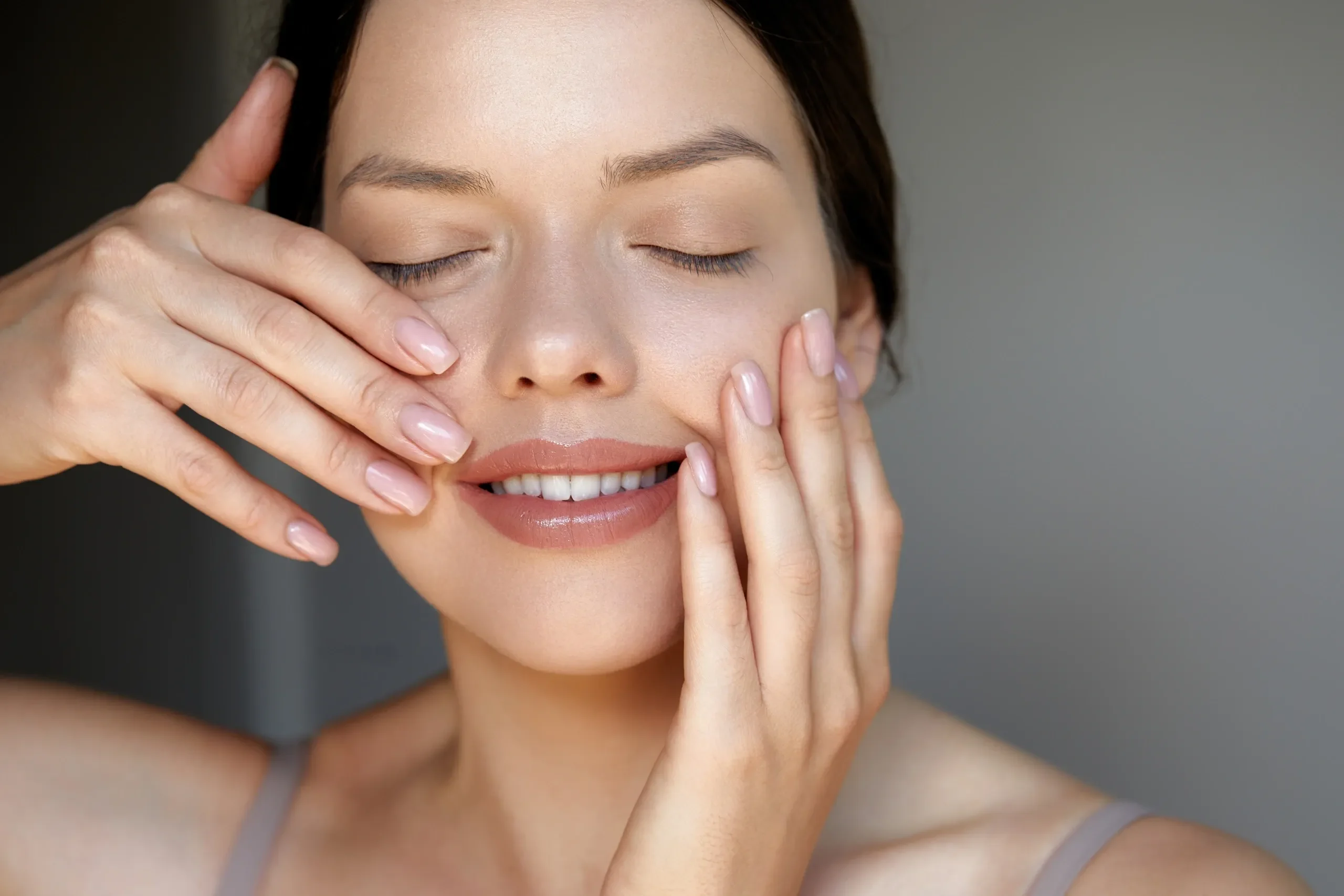
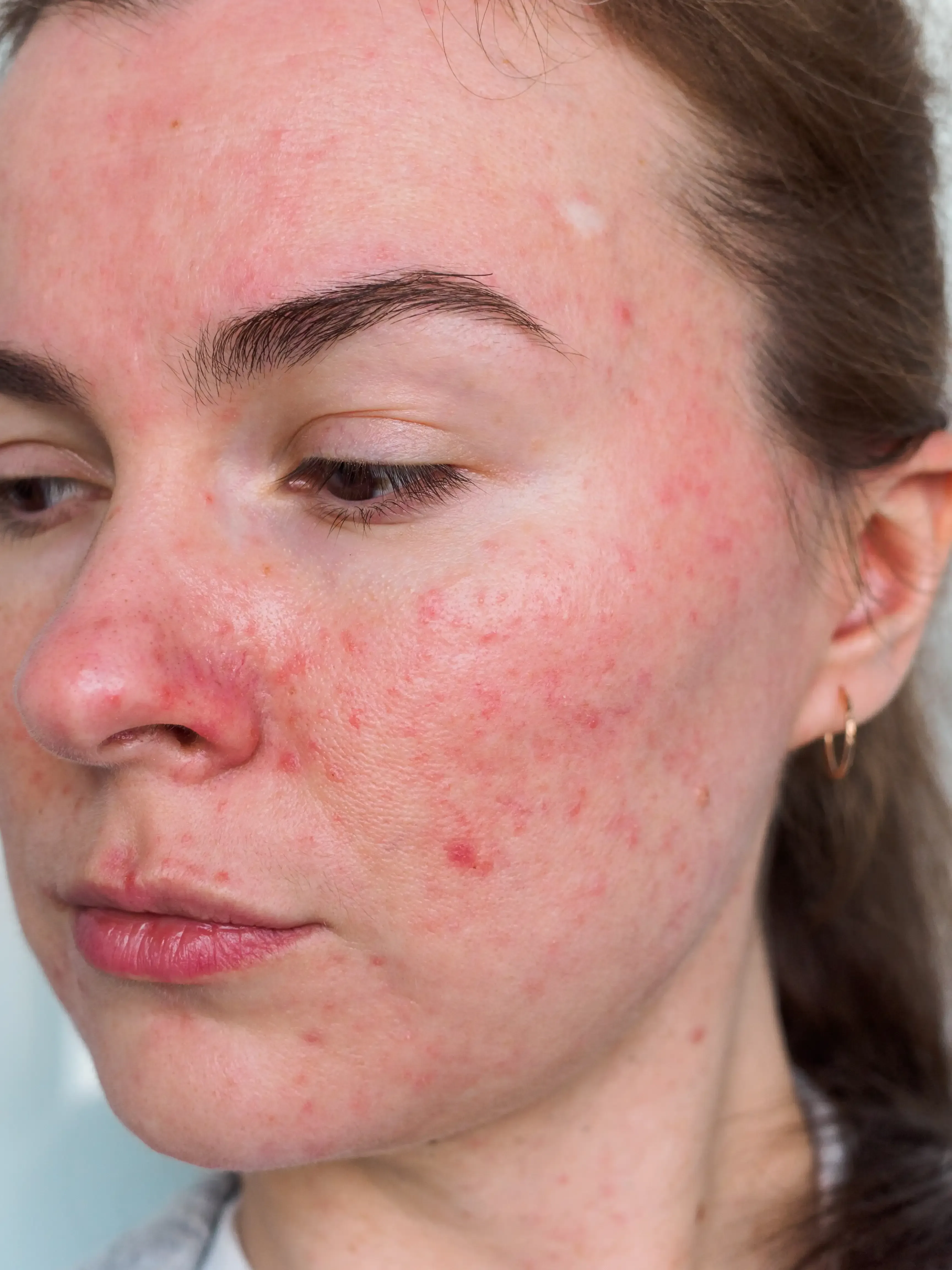
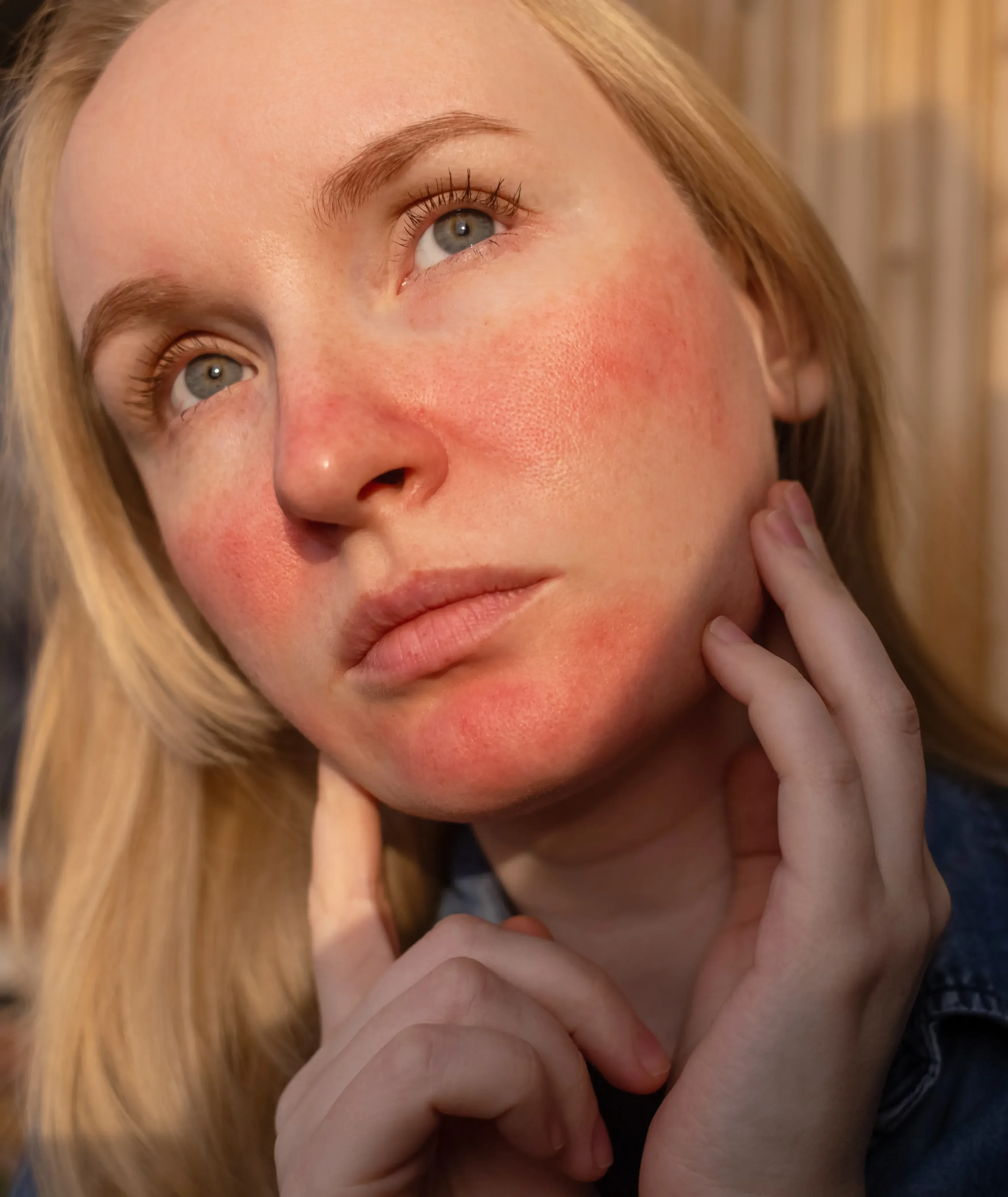
Rosacea treatment starts with understanding the condition itself. Rosacea is a chronic inflammatory skin disorder of the central face, driven by overreactive blood vessels and an overactive immune response in the skin. It produces persistent redness, visible broken capillaries and episodes of flushing across the cheeks, nose, chin and forehead.
Desert Oasis Wellness and Med Spa cares for patients throughout Lake Havasu City, AZ, serving Havasu Foothills Estates, Desert Hills, the Riviera, Crystal Beach, Parker, Bullhead City, Kingman and the surrounding Mohave County communities.
When you look in the mirror and see a flush that never quite fades, or feel your face turn hot and red after a short walk to the car in July, you are seeing rosacea in action. Many patients tell us they have been assumed to be sunburned, embarrassed or drinking when none of those things were true.
Rosacea is a medical condition, not a cosmetic flaw, and it is managed rather than cured. With the right combination of trigger control and in-office treatment, the visible redness and vessels can be reduced substantially and kept quiet over time.
Why Rosacea Happens
Understanding the Root Causes
01The Science
Healthy facial skin regulates blood flow through tightly controlled widening and narrowing of tiny surface vessels. In rosacea that control breaks down. Vessels dilate too easily, stay dilated longer, and over years lose the elasticity to close fully, which is how an occasional flush turns into permanent background redness.
Underneath the vascular changes sits an overactive innate immune response. People with rosacea produce unusually high levels of an antimicrobial peptide called cathelicidin, which drives inflammation and new vessel growth in the skin. The American Academy of Dermatology classifies rosacea as a chronic condition with several presentations, ranging from redness and visible vessels to bumps and pustules.
Because the problem lives inside the vessels, topical products alone rarely erase visible capillaries. Light and laser energy absorbed by hemoglobin can collapse those vessels directly, which is why gentle options such as Aerolase for rosacea redness in Lake Havasu City are a mainstay of visible redness control.
02Deeper Understanding
Desert Heat and Rosacea
How Living Here Affects Your Flares
Lake Havasu City is one of the hottest places in the country, and heat is the single most reported rosacea trigger. Summer highs well above 110 degrees, strong reflected UV off the lake, dry air and the sharp swing between outdoor heat and air-conditioned rooms all push facial vessels to dilate again and again.
Living here does not cause rosacea, but it can make an existing case flare far more often.
Left alone, repeated flushing tends to become fixed. Vessels that once returned to normal stay visibly dilated, background redness deepens, and in a smaller group of patients the skin of the nose gradually thickens. Ocular symptoms, meaning gritty, dry or irritated eyes, can develop too and belong with a dermatologist or ophthalmologist rather than a light-based treatment.
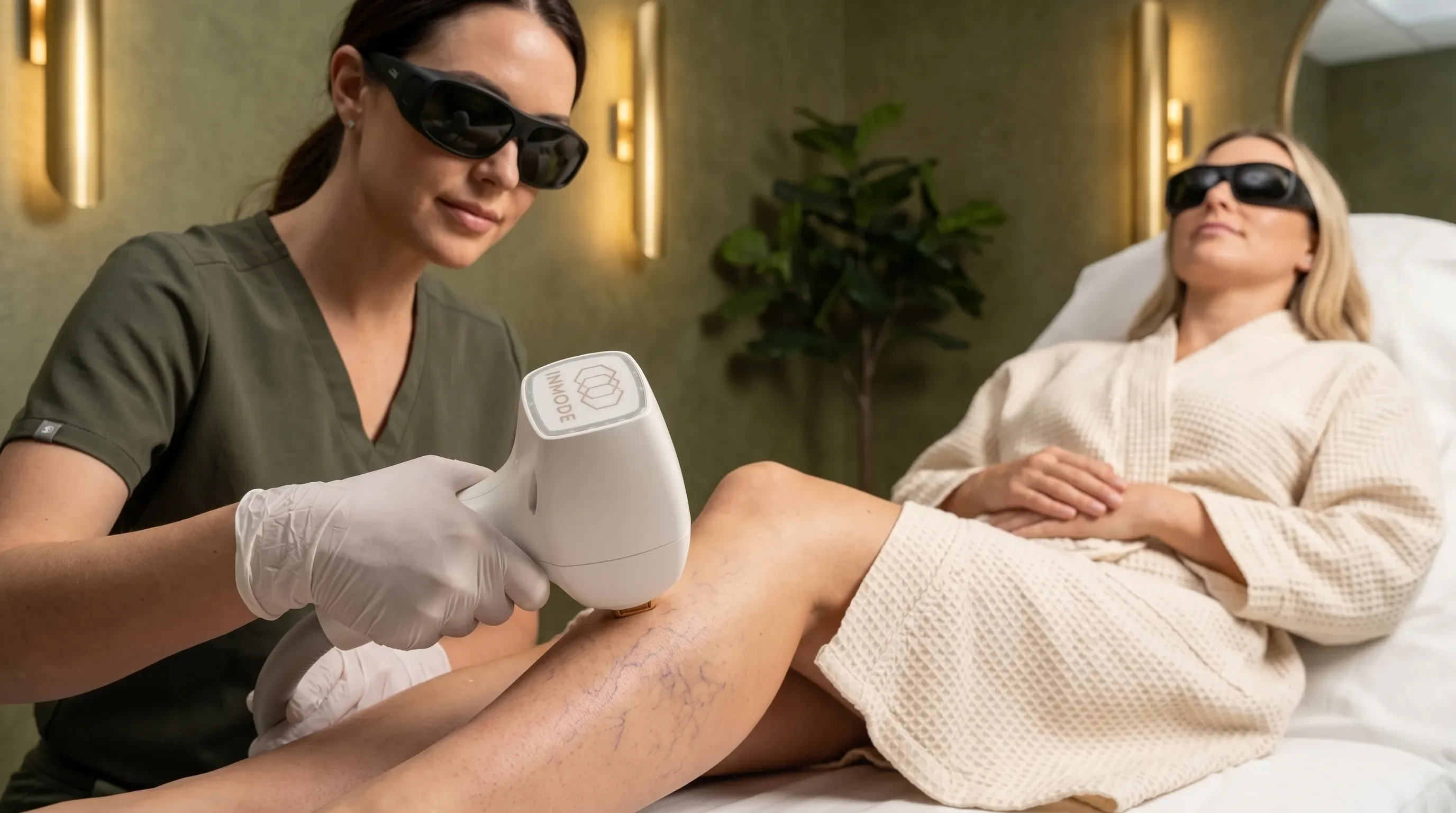
Most patients do best with a sequence rather than one visit. Diffuse background redness usually responds well to IPL photofacial for facial redness in Lake Havasu City, while individual visible capillaries on the nose and cheeks are better handled with spider vein treatment for facial vessels. Your provider and the team map that sequence at your consultation.
What Triggers Rosacea Flares?
Rosacea flares are set off by triggers that widen facial blood vessels, and in the Mohave Desert several of them are unavoidable parts of daily life. Guidance from the National Institute of Arthritis and Musculoskeletal and Skin Diseases encourages tracking your own pattern.
- 01Desert Heat and SunTemperatures above 100 degrees and strong UV off the lake dilate facial vessels within minutes.
- 02AlcoholWine and spirits widen surface vessels quickly, producing flushing that can last for hours afterward.
- 03Spicy Food and Hot DrinksCapsaicin and hot liquids raise skin temperature and set off flushing across the cheeks and nose.
- 04Emotional StressStress and anxiety trigger the same vascular response, which is why flares often cluster in hard weeks.
- 05Genetics and Skin TypeFair skin, a family history and a tendency to blush easily all raise your baseline risk of rosacea.
- 06Harsh Skincare and Temperature SwingsScrubs, alcohol-based products and moving between heat and air conditioning irritate a fragile barrier.
Why Choose Desert Oasis Wellness and Med Spa for Rosacea Care
Reactive, easily irritated skin needs a gentler hand than standard laser work. Our medical director and our certified laser technicians select settings and devices around how your skin actually behaves, then build a plan you can maintain through desert summers.
- Medical-Led Assessment
- Our nurse practitioner reviews your history and flare pattern before any device touches your skin.
- Gentle Device Selection
- We choose between light and laser platforms based on your redness type, skin tone and sensitivity.
- Trigger Coaching
- You leave with a practical heat, sun and skincare plan built for living in the Mohave Desert.
- Clear Referral Standards
- Ocular symptoms or severe papulopustular rosacea are referred to a dermatologist, not treated here.
Treatment Options Comparison
Compare the rosacea treatments offered at Desert Oasis Wellness and Med Spa so you know which option fits your redness pattern.
| Treatment | How It Works | Best For | Downtime | Results Timeline |
|---|---|---|---|---|
| Aerolase | 1064 nm laser heats vessels | Sensitive, reactive skin | None | 3 to 4 sessions |
| IPL Photofacial | Broadband light targets hemoglobin | Diffuse background redness | 1 to 2 days of pinkness | 2 to 4 weeks |
| Spider Vein Treatment | Focused laser on single vessels | Distinct broken capillaries | Minimal | 2 to 6 weeks |
You May Be Experiencing Rosacea If...
Rosacea is often mistaken for sunburn, sensitive skin or adult acne for years before it is correctly identified. These are the signs patients describe most often.
Redness That Never Fades
Your cheeks and nose stay pink or red even on cool, calm days when nothing has triggered a flush.
Easy, Dramatic Flushing
You flush hot and deep red from heat, a glass of wine or a stressful moment, far more than others do.
Visible Broken Capillaries
Thin red lines have appeared across your nose and cheeks and they do not fade with time or skincare.
Stinging and Burning
Ordinary moisturizers, sunscreens and cleansers sting or burn on skin that looks perfectly intact.
Bumps Mistaken for Acne
Small red bumps and pustules appear without blackheads and do not respond to standard acne products.
Makeup That Will Not Cover It
Concealer and foundation sit unevenly on the red areas and the color shows through by midday.
Explore More Related Treatments
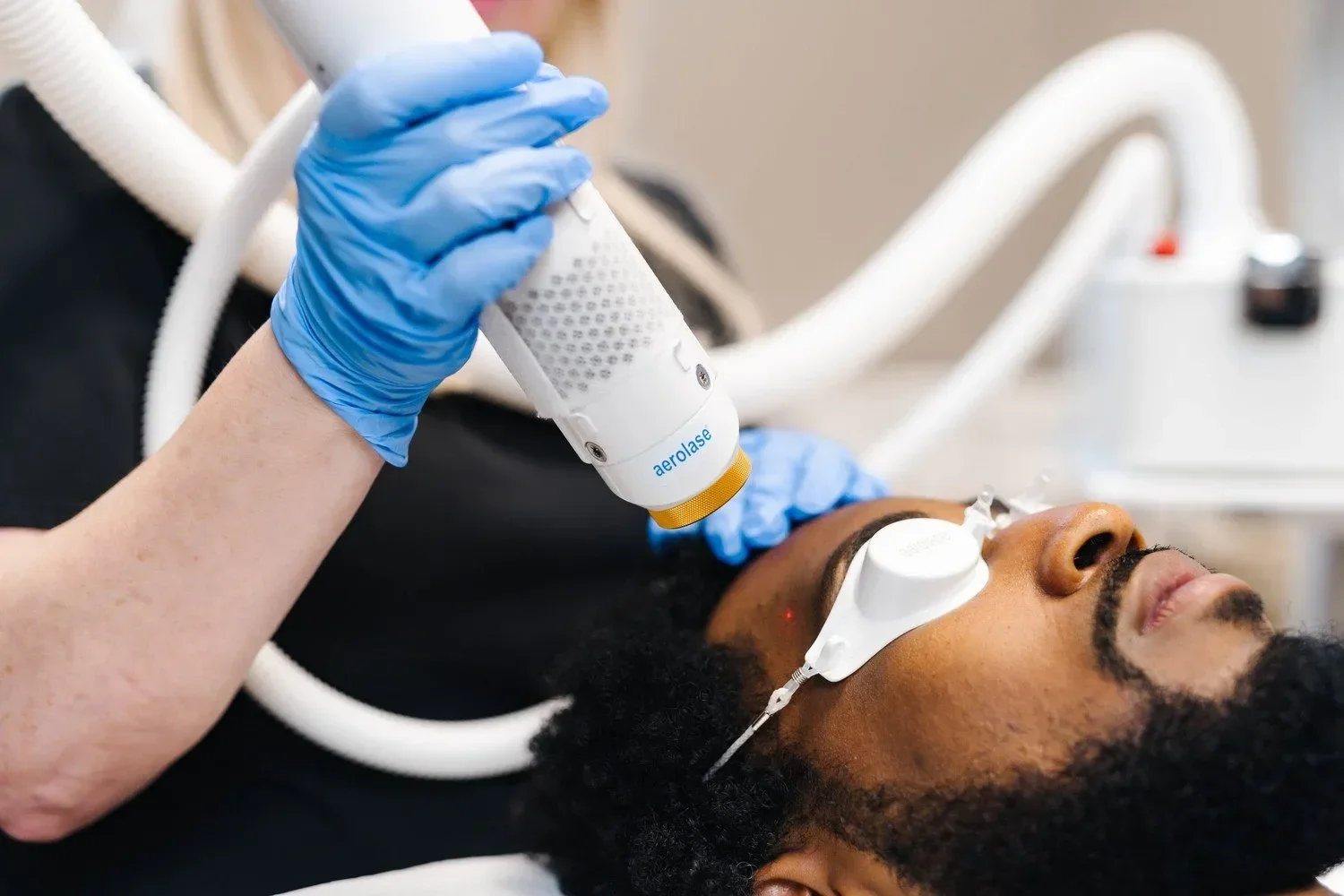
Aerolase (Neo and Era Elite)
Gentle 650 microsecond laser energy that clears, calms and renews skin.
- All Skin Tones
- Neo Elite (1064nm) - Non-Ablative
- Era Elite (2940nm) - Ablative Resurfacing
Explore More Related Treatments
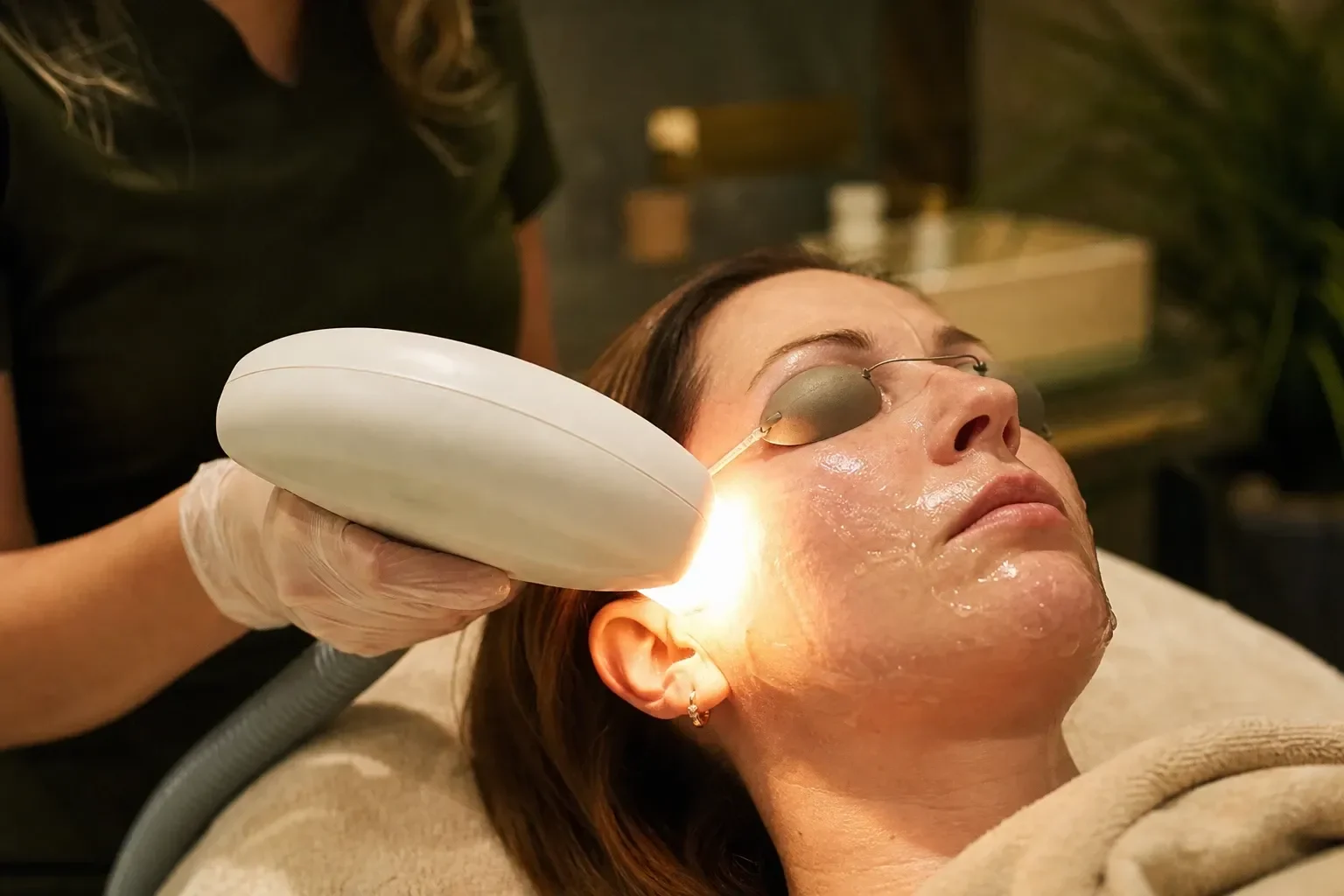
IPL Photofacial
Broad-spectrum light that fades sun damage, age spots and facial redness.
- Fast Clearing
- No Real Downtime
- Brown and Red
Explore More Related Treatments
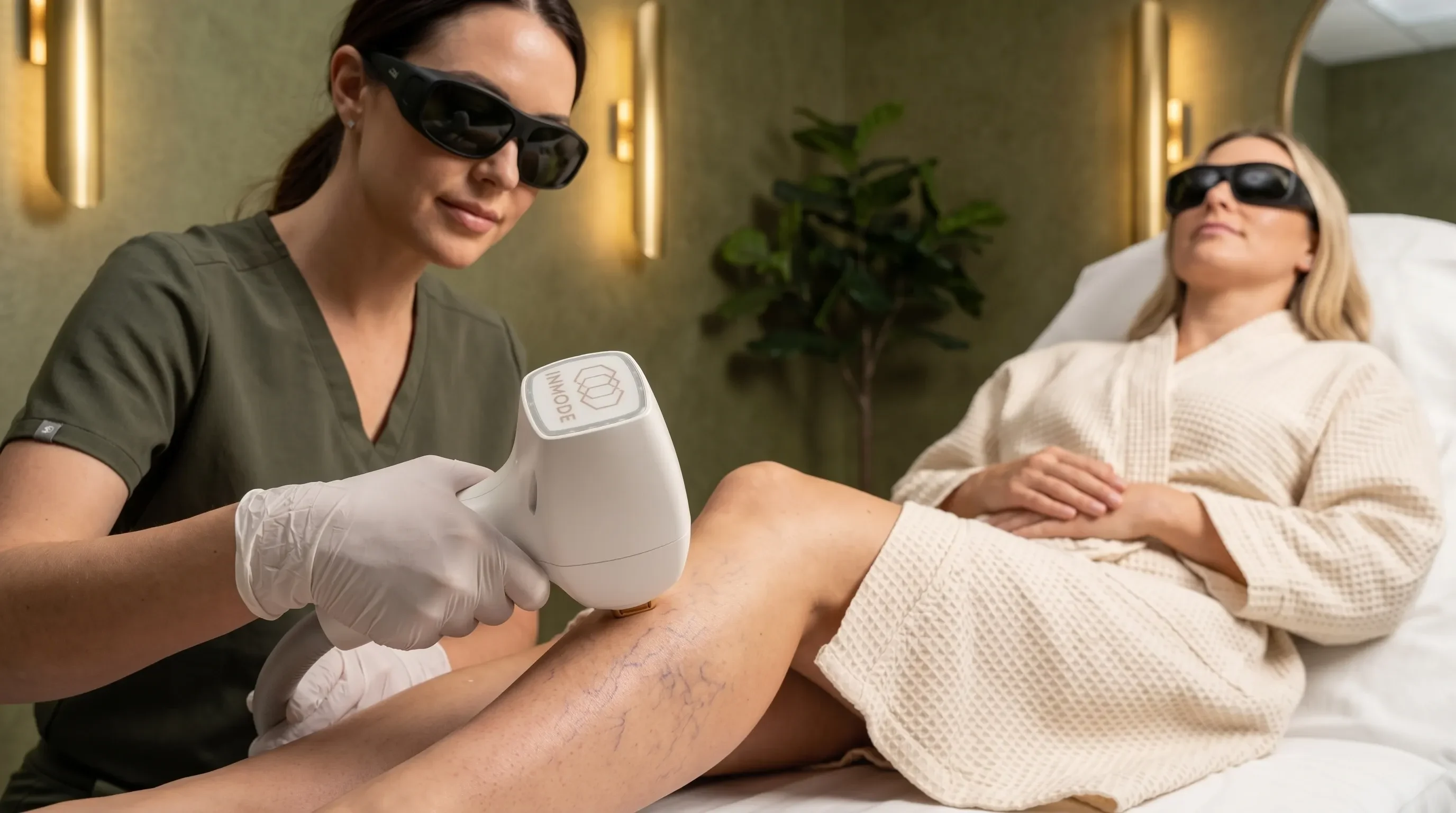
Spider Vein Treatment
Laser therapy that fades the fine red and blue vessels on your face and legs.
- No Injections
- Face and Body
- Built-In Cooling
Your Questions
Frequently Asked Questions
What causes rosacea?
Can rosacea be cured?
Do laser and light treatments actually work for facial redness?
How many sessions will I need and when will I see results?
Does the Lake Havasu heat make rosacea worse?
When should I see a dermatologist instead?
What happens at a rosacea consultation?
Schedule Today Your Rosacea & Facial Redness Consultation
Scientific References
- van et al., Am J Clin Dermatol. (2021). Rosacea: New Concepts in Classification and Treatment. PMID: 33759078.
- Sharma et al., J Cosmet Dermatol. (2022). Rosacea management: A comprehensive review. PMID: 35104917.
- Zhai et al., J Cosmet Dermatol. (2024). Meta-Analysis of the Efficacy of Intense Pulsed Light and Pulsed-Dye Laser Therapy in the Management of Rosacea. PMID: 39240125.
- Shi et al., J Drugs Dermatol. (2023). Narrow-Band Intense Pulsed Light as Treatment for Erythematotelangiectatic Rosacea: A Retrospective Study. PMID: 37943269.
- Li et al., Front Med (Lausanne). (2021). Efficacy Comparison of Pulsed Dye Laser vs. Microsecond 1064-nm Neodymium:Yttrium-Aluminum-Garnet Laser in the Treatment of Rosacea: A Meta-Analysis. PMID: 35127754.
- van et al., Br J Dermatol. (2019). Interventions for rosacea based on the phenotype approach: an updated systematic review including GRADE assessments. PMID: 30585305.
- American Academy of Dermatology. (2024). Patient guidance on rosacea subtypes, trigger avoidance and when to seek medical evaluation.